

How to Choose a Financial Advisor: What to Look For Before You Make a Decision
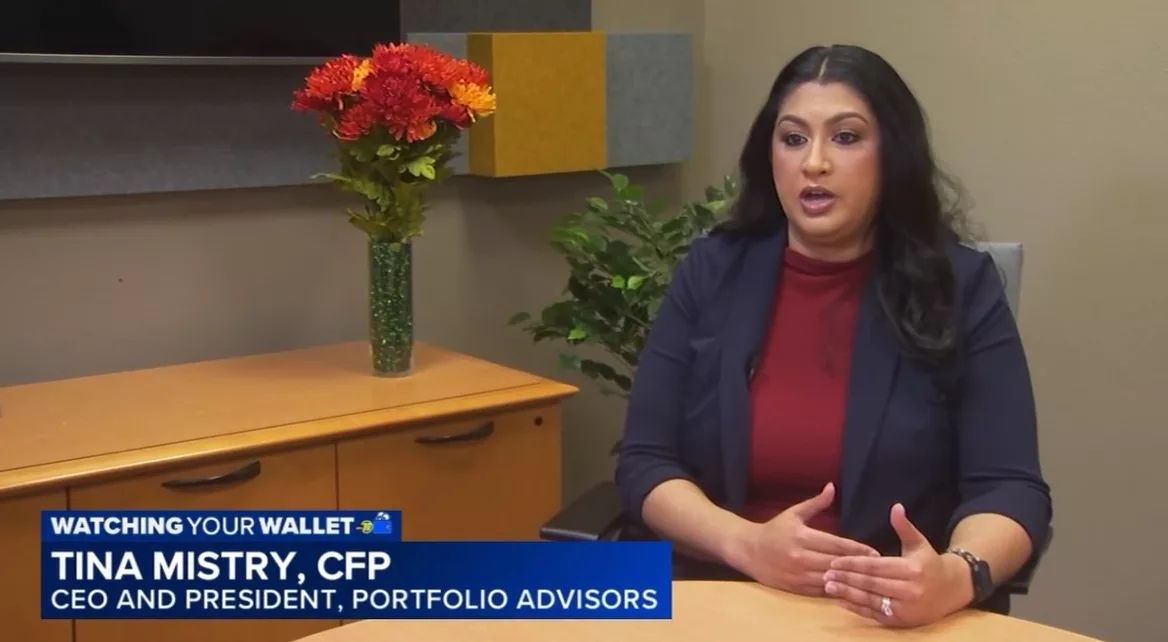
Featuring Tina Mistry, CFP®
Choosing a financial advisor is one of the most important financial decisions you can make. Whether you’re planning for retirement, managing investments, navigating a major life transition, or simply looking for greater confidence in your financial future, finding the right advisor can make a meaningful difference.
In a recent ABC30 Watching Your Wallet segment, Tina Mistry, CFP®, CEO and Senior Financial Advisor at Portfolio Advisors Inc., shared what consumers should know when selecting a financial professional and the questions everyone should be asking before moving forward.
Not All Financial Advisors Are the Same
Today’s financial industry includes a wide range of professionals, from Certified Financial Planners™ and wealth managers to investment advisors, insurance brokers, and financial consultants.
While many of these professionals provide valuable services, their qualifications, responsibilities, and compensation models can vary significantly.
“It’s really important for the consumer to know who they’re talking to, how they’re compensated, how they’re credentialed, and what their background has been,” Tina explained.
Understanding those differences can help you make a more informed decision and find someone whose approach aligns with your needs.
When Should You Consider Working With a Financial Advisor?
Many people assume financial planning is only for retirement or for those with substantial wealth. In reality, there are many situations where professional guidance can be valuable.
You may benefit from working with a financial advisor if you’re:
- Approaching retirement
- Experiencing a major life event such as marriage, divorce, or the birth of a child
- Receiving an inheritance
- Managing stock options or retirement benefits
- Starting or selling a business
- Looking to reduce financial stress and create a long-term plan
- Facing increasingly complex tax or financial decisions
Often, the goal isn’t simply managing investments—it’s creating a coordinated financial strategy that supports your life today and your goals for tomorrow.
Understand How Your Advisor Is Compensated
Before choosing an advisor, it’s important to understand how they are paid.
Some advisors charge fees for their advice and ongoing planning, while others may receive commissions from financial products they recommend.
Knowing how an advisor is compensated can help you better understand potential conflicts of interest and the type of relationship you’re entering.
At Portfolio Advisors Inc., we believe transparency is an important part of building trust and long-term client relationships.
Credentials Matter
One of the best ways to evaluate a financial professional is by reviewing their education, licensing, and professional credentials.
Tina encourages consumers to look for respected designations such as the Certified Financial Planner™ (CFP®) certification or the Chartered Financial Analyst® (CFA®) designation.
“These are heavy-duty curricula that individuals have gone through to expand their knowledge to be able to serve consumers really well,” Tina said.
The CFP® certification, for example, requires extensive education, a comprehensive examination, relevant professional experience, adherence to ethical standards, and an ongoing commitment to continuing education.
Looking at an advisor’s credentials can provide greater confidence in their training and professional responsibilities. Make sure to verify your advisor by going to the CFP Board and checking for credentials.
Watch for Red Flags
Just as there are qualities to look for in an advisor, there are also warning signs consumers should recognize.
One of the biggest red flags is the promise of guaranteed investment returns.
“If you walk into an advisor’s office and they’re guaranteeing you hypothetically a 6% return, that is not a legal practice in our field of work,” Tina explained.
Markets fluctuate, and no investment professional can legally guarantee future investment performance.
Consumers should also be cautious if conversations immediately focus on selling products before understanding their financial goals, circumstances, and priorities.
A good advisor begins by listening—not selling. Here are some great questions to ask your prospective advisor before committing!
Questions to Ask a Prospective Financial Advisor
The First Meeting Should Be About You
The first meeting with a financial advisor shouldn’t start with investment recommendations.
Instead, it should begin with understanding who you are, where you are financially, and what you’re hoping to accomplish.
Before your meeting, it can be helpful to gather information about your income, savings, retirement accounts, debts, insurance, and financial goals. Having a clear picture of your finances allows for a more productive conversation.
Just as importantly, pay attention to how the advisor approaches the meeting.
“Looking for an advisor that listens to you, that genuinely wants to know you and help your family—those are some traits and characteristics to look for in that first meeting,” Tina shared.
Financial planning is built on relationships, and finding someone who takes the time to understand your values and priorities is just as important as reviewing numbers on a page.
It is very important that if you are considering working with a financial advisor is that you prepare before the meeting with the right questions. It just so happens we already have a dedicated blog just for that situation written by our very own advisor Tina Mistry -> How to Prepare for a Financial Advisor Meeting
Finding the Right Fit
Choosing a financial advisor is about more than credentials or investment performance. It’s about finding someone who takes the time to understand your goals, communicates clearly, and provides guidance that reflects your best interests.
At Portfolio Advisors Inc., we believe financial planning starts with listening. Every client has a different story, different priorities, and different goals. Our role is to help bring clarity to complex financial decisions and build a strategy that evolves alongside your life.
Whether you’re just getting started or looking for a second opinion, taking the time to find the right advisor can be one of the most valuable investments you make in your financial future.
If you’d like to learn more about our planning process or meet with a member of our team, we’re always happy to start with a conversation.