

Retirement Readiness: Important Steps to Take 5–7 Years Before Retirement
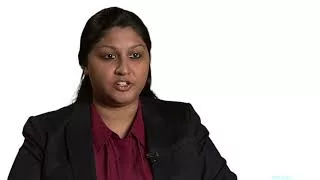
Featuring Tina Mistry, CFP®
Retirement planning is not something that begins the year you stop working. In many cases, some of the most important financial decisions happen several years before retirement actually begins.
In a recent ABC30 Watching Your Wallet segment, Tina Mistry, CFP®, CEO and Senior Financial Advisor at Portfolio Advisors Inc., shared why the five-to-seven-year period leading up to retirement can be one of the most important windows for preparing financially and personally for the next stage of life.
Maximize Retirement Contributions While You Still Can
According to Tina, the years before retirement are often the ideal time to increase savings and fully utilize workplace retirement plans.
“Maximizing your 401(k), making sure you’re inching up your contributions — those are really important things,” Tina explained. “Upon retiring, you won’t have those savings vehicles available to you.”
For many individuals, these final working years provide an opportunity to strengthen retirement savings while still benefiting from steady income and potential employer contributions.
Even modest increases in contributions over time can have a meaningful impact.
Revisit Your Investment Allocation
As retirement approaches, it becomes increasingly important to review how your portfolio is allocated between stocks and bonds.
Tina emphasized the importance of understanding your level of comfort with risk — especially as you near the stage where your investments may begin supporting your income needs.
“Heaven forbid you retire, you hit a bad period in the market, and then you’re potentially drawing money out of your portfolio when stocks are low,” Tina shared.
That does not necessarily mean eliminating growth investments altogether. Instead, it means building a portfolio designed to balance long-term growth with stability and flexibility.
Maintain Accessible Emergency Savings
Tina also highlighted the importance of having cash reserves available heading into retirement.
Unexpected expenses can arise at any point, and having accessible savings can help prevent the need to withdraw from long-term investments during periods of market volatility.
Her recommendation is generally to maintain approximately three to six months of everyday living expenses in cash or easily accessible savings.
Having that cushion in place can create both financial flexibility and greater peace of mind.
Understand Your Healthcare Options Early
Healthcare planning is another critical piece of retirement readiness, particularly for individuals considering retirement before age 65.
“If you retire before 65, you may be paying higher premiums because you’re not on Medicare yet,” Tina explained.
Some employers offer retiree healthcare benefits, while others may not. Understanding what coverage will be available — and what costs may need to be covered personally — can help avoid surprises later.
Tina also encourages individuals to begin researching healthcare facilities, long-term care considerations, and the potential costs associated with higher levels of care over time.
Retirement Planning Goes Beyond Investments
Preparing for retirement is about more than simply growing assets. It also involves building a plan that supports your lifestyle, healthcare needs, income strategy, and long-term goals.
The years leading up to retirement provide an important opportunity to organize finances, revisit priorities, and make adjustments before major transitions take place.
Taking a Proactive Approach
Retirement planning tends to work best when it is proactive rather than reactive.
Reviewing savings rates, investment allocation, healthcare planning, and emergency reserves ahead of time can help create a smoother transition into retirement and reduce unnecessary stress later on.
If you are within a few years of retirement and would like to review your financial plan, Tina Mistry, CFP®, and the team at Portfolio Advisors Inc. are always happy to help with your goals.
For more financial tips and planning resources, visit our Knowledge Center.