



Get organized, set goals, and make the most of your session with Portfolio Advisors.
Once you set the appointment for your first financial advisor meeting, you need to do a few things ahead of time to get the most out of it. Being prepared can help you clarify your financial situation and arm your financial advisor with the details that will help turn your goals into a set of actionable steps you can take. If you want to know how to prepare for a financial advisor meeting, this guide can help you get ready with confidence.
Why Preparation Matters
Think about your finances like assembling a puzzle or a piece of furniture. Every piece and tool has its place in the process. You wouldn’t try to create an elaborate plan to do either of these things without preparing and making sure you understand how to achieve your goals.
Your financial advisor works in much the same way, relying on the details that you provide to create financial scenarios that help you make progress toward your goals. This can only be achieved if you have presented the full picture, so be sure to cover these categories in your preparations:
- Goals, long and short-term
- Financial details, like your income, debts, investments, and retirement accounts
- Financial attitudes and presumptions, like your spending habits and tolerance for risk in your investments
- Questions you’d like to ask
Covering these aspects can help your financial advisor gain a comprehensive understanding of your financial picture, accelerate their planning, and avoid missing critical details.
Gather Key Financial Documents
Before you show up to your appointment, you’ll need to gather some financial documents. Bring all the important pieces of your financial puzzle so that your financial advisor can put it together and evaluate it completely. Organize and bring what you have in these categories:
- Income: Paystubs, passive income, income from side hustles
- Debts: Mortgages, installment loans, credit cards, plus any other regular responsibilities
- Physical Assets: Primary home, second or vacation home, investment properties, gold or silver
- Investments and Retirement Accounts: Current balances and statements
- Insurance Coverage: Amount and terms
- Estate or Trust Information
- Bank Accounts: Recent statements for all accounts
- Tax Returns: The last two years of returns
- Financial Plans: Existing financial or estate planning documents
The goal is to make sure that your financial advisor knows everything about your financial life before making recommendations. If you’re not sure what to include, err on the side of bringing more information than necessary. For example, if you own a business, you may want to bring a profit and loss sheet and bank statements, even if you receive your income using a traditional payroll method.
Clarify Your Goals and Priorities
For many people, the hard part of preparing to see a financial planner is identifying and clarifying their goals and priorities. It’s easy to think about financial planning in terms of retirement or estate planning, but you might use a financial advisor’s services long before you’re ready to retire or pass along your estate to your beneficiaries.
Start by writing down a few short-term and long-term goals. For example, you might have a long-term goal of retiring by the time you reach age 60. A short-term goal that helps you get there could involve paying down debts or increasing passive income. The goals don’t have to be related to each other. Some can be quite short-term, like securing funds for a long holiday or an adult child’s wedding.
To help clarify your priorities, think about your preferences for risk tolerance and your time horizons for certain plans. Most people become more risk-averse in their investments and financial plans as they get older, but what that looks like depends on the person. Your time horizons affect your risk tolerance and other factors, and your financial advisor needs that information to tailor recommendations. For example, recommendations for an investment property may be quite different if you only want to hold it for a few years than if you expect to keep it until you pass it on to your heirs.
Don’t forget to include some details about your lifestyle plans and expectations, too. You’ll need a different financial strategy if you intend to travel extensively or maintain a luxurious lifestyle than if you’d prefer to keep your life simple and low cost.
Questions to Ask Your Advisor
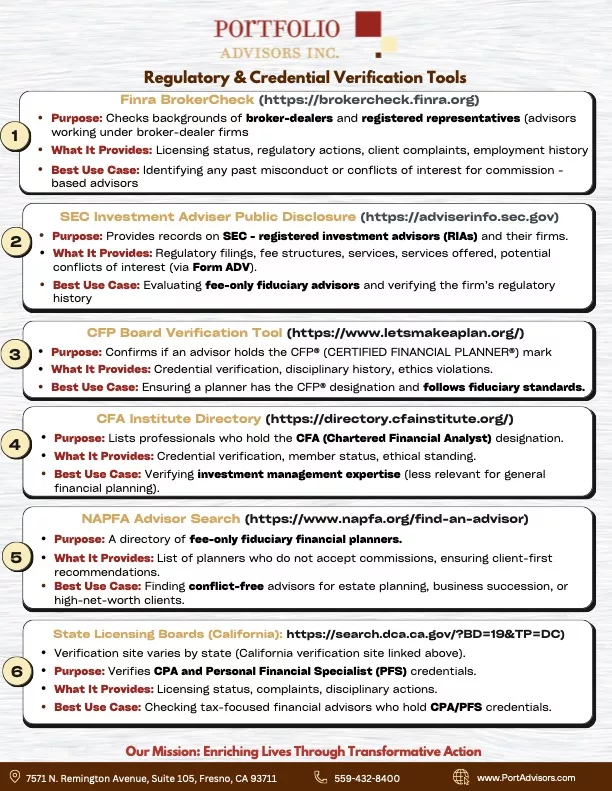
During the meeting, you should remember to ask plenty of questions. Although you may hope to start building a financial plan with the information you discuss at the meeting, you’re also determining whether the advisor is a good fit for you and your plans. Ask questions like:
- What is your training, certification, and experience?
- What is your experience with advising people in my current financial situation?
- Can you help me form a financial plan, manage my investments, or both?
- What is your philosophy or approach to financial advising?
- How do you handle risk?
- What is your approach to transition from one financial advisor to another?
- How do you receive payment for services you provide to me?
- Who will be my primary point of contact if I have questions or concerns?
- How can I track progress toward my goals?
- What is your typical form of communication?
Make sure that you understand the answers and ask follow-ups if necessary. The goal is to build confidence in your financial advisor’s ability to handle your finances with accuracy and efficient progress toward your financial goals.
What to Expect During the Meeting
Although it seems like you’re covering a lot in one meeting, it’s likely that you will have more than one meeting to finesse all the details. The first meeting is designed to provide time for the financial advisor to:
- Get a broad understanding of your financial history and current situation
- Talk to you about goals and flesh out your priorities
- Learn about your family, values, and future plans
- Perform a quick review of your financial documents to identify missing information or clarify details
- Possibly create a high-level plan to be fleshed out in time
The chief aim of the meeting is to help you determine if you want to work with the financial advisor and set clear expectations for you and the advisor. You should feel comfortable and confident that your financial advisor will honor your expectations, goals, and priorities.
After the Meeting — Next Steps & Follow-Up
Once the meeting concludes, you’ll have a few things that you still need to do. These may include:
- Organizing documents and plans you receive into a file that you can review whenever you want
- Reflecting on the advisor’s recommendations, and getting clarification on anything that you don’t understand or want changed
- Reviewing and signing documents to complete the plan
- Adjusting your budget or changing your accounts to align with the agreed-upon plan
- Establishing a pattern of communication that works for both parties
Remember that progress can only happen once you are fully committed to whatever services you employ your financial advisor to do. This means that you’ll need to stay current on any paperwork or preparations you have to complete within an appropriate timeframe.
How Portfolio Advisors Helps
It may help to look at financial planning as a process that you’ll negotiate with your financial advisor for years, even decades. The first meeting is designed to just provide the first steps. While it’s important to start strong with all the information that your financial advisor needs, you do not have to worry that everything has to be perfect in order for the plan or the arrangement to work.
At Portfolio Advisors, we specialize in custom planning and analysis, working with people who have unique goals and financial situations. We are prepared to tailor a plan based on your financial details, priorities, and upcoming plans. The more information we have during and after the meeting, the better we can customize our recommendations to give you as much leverage as possible. When you contact us, you can see how we work toward your financial goals.
Get Ready for Your Next Consultation
Your first financial advisor meeting shouldn’t be intimidating; some preparation and choosing the right team go a long way toward reducing your worries. Assembling everything on this financial advisor meeting checklist takes time on your part and some collection of documents. Doing this work, however, can help you get a better outcome from the initial meeting, whether you want to maximize your retirement planning or handle expenses while you grow your family.
Outline your goals and priorities as clearly as possible, to avoid confusion or misaligned recommendations. Make a list of questions for your financial planner, so you can feel comfortable relying on your advisor’s knowledge and experience. Portfolio Advisors is here to help you achieve your financial goals.
Book a consultation to discover the benefit of hiring financial advisors that can create an effective roadmap toward your ideal financial future.


