

College Budgeting 101: Building Smart Money Habits Before Graduation
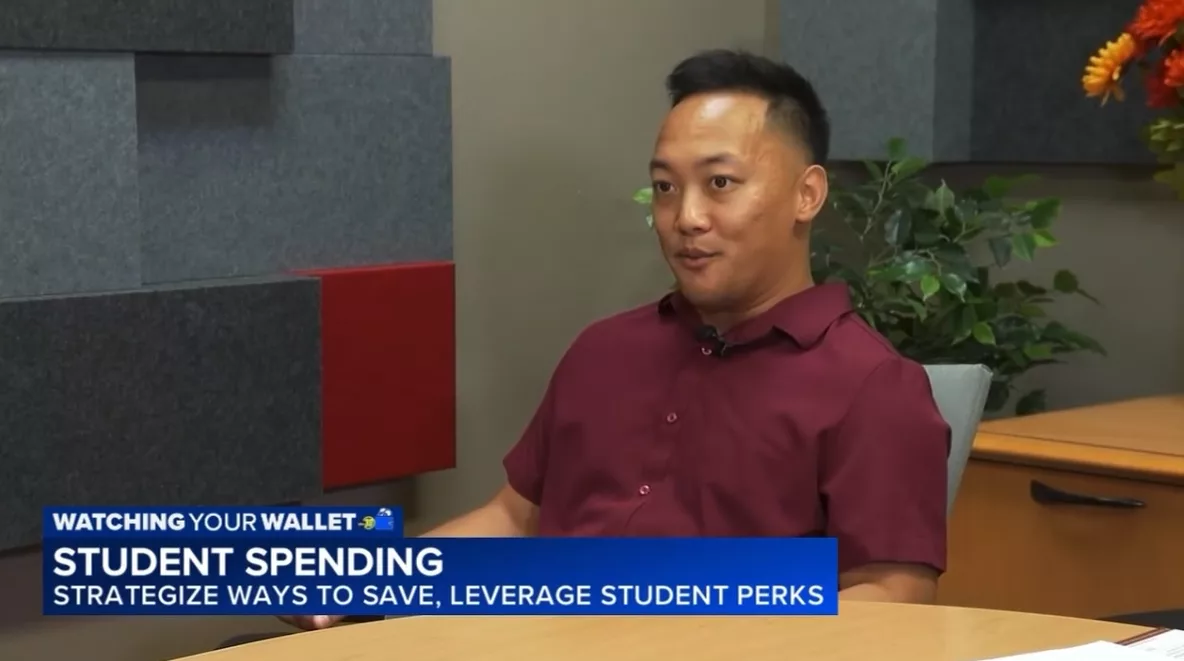
Featuring AJ Flores, CFP®, Lead Financial Advisor at Portfolio Advisors Inc.
College is a time for learning, building relationships, and preparing for a career. It can also be one of the first times students are responsible for managing their own money.
In a recent ABC30 Watching Your Wallet segment, AJ Flores, CFP®, Lead Financial Advisor at Portfolio Advisors Inc., shared practical ways college students can develop stronger financial habits, from budgeting and student loans to credit cards and social media advice.
Start by Living Below Your Means
Budgeting in college goes beyond separating wants from needs. It is also an opportunity to develop habits that can carry into life after graduation.
“Getting used to living beneath your means—it’s a great age to get used to doing that,” AJ said.
For students, that might mean being more intentional about dining out, entertainment, subscriptions, transportation, and other everyday expenses. Even with a limited income, learning how to spend less than you have available can establish a strong foundation for the future.
Take the Opportunity to Learn About Personal Finance
Financial literacy is an important part of making informed decisions about money, yet many students receive little formal education on budgeting, credit, investing, or debt.
“If there’s an option to take a personal finance course in your school, do it,” AJ said. “Because outside of seeking the information for yourself, no one is going to teach you how to do it.”
College students don’t need to become financial experts overnight. Learning the basics and understanding where to find reliable information can make everyday financial decisions easier to navigate.
Be Careful Taking Financial Advice From Social Media
Social media has made financial information easier to find, with “fin-fluencers” regularly sharing tips about saving, investing, credit cards, and building wealth.
That accessibility can be helpful, but financial advice is rarely one-size-fits-all.
AJ recommends researching who you follow and keeping online success stories in perspective.
“I do think taking everything with a grain of salt,” he said, “because again, not comparing yourself to the successes that show up in other people’s reels is a big one.”
Someone else’s financial strategy may not fit your income, debt, goals, or circumstances.
Understand Your Student Loans Before You Borrow
For students using loans to pay for college, understanding what you are borrowing is just as important as knowing the total amount available.
If you have flexibility, AJ recommends considering whether you actually need the entire loan offered.
“Just because the loan amount is this big number that they put on a paper for you to sign, it doesn’t mean you have to take the full amount out,” AJ explained. “You can also just take out exactly what you need to pay for your essentials, tuition, books and things like that.”
Borrowing only what you need can mean having less debt to repay after graduation.
Students can also look for opportunities to reduce expenses by purchasing used textbooks, choosing digital versions when available, and taking advantage of student discounts on technology, transportation, entertainment, and retail purchases.
Know What Kind of Debt You Have
Graduation can introduce a new challenge: managing several types of debt at the same time.
A recent graduate, for example, might have student loans alongside a credit card balance. Understanding the terms of each can help determine how to approach repayment.
“If you just graduated and you have student loan payments, but you’re also paying credit card loans down, understanding the best way to tackle that,” AJ said. “Which has the higher interest rate? Which one has steeper penalties for not making payments?”
Rather than treating every debt the same way, look at interest rates, minimum payments, due dates, and the consequences of missing a payment.
Make Paying Bills Easier
College and the first few years after graduation can also be the first time someone is responsible for rent, utilities, credit cards, student loans, and other recurring expenses.
For bills that allow it, AJ suggests considering automatic payments to reduce the chance of accidentally missing a due date.
The goal is to develop a system that makes managing money easier and more consistent.
Small Habits Can Make a Difference
You don’t need a large salary to start developing good financial habits. College can be an opportunity to learn how to budget, understand debt, borrow carefully, and become more thoughtful about where you get financial information.
The habits developed now can provide a stronger foundation as your income, responsibilities, and financial goals grow after graduation.
At Portfolio Advisors Inc., we help individuals and families understand how the different pieces of their financial lives work together and make informed decisions for what comes next.