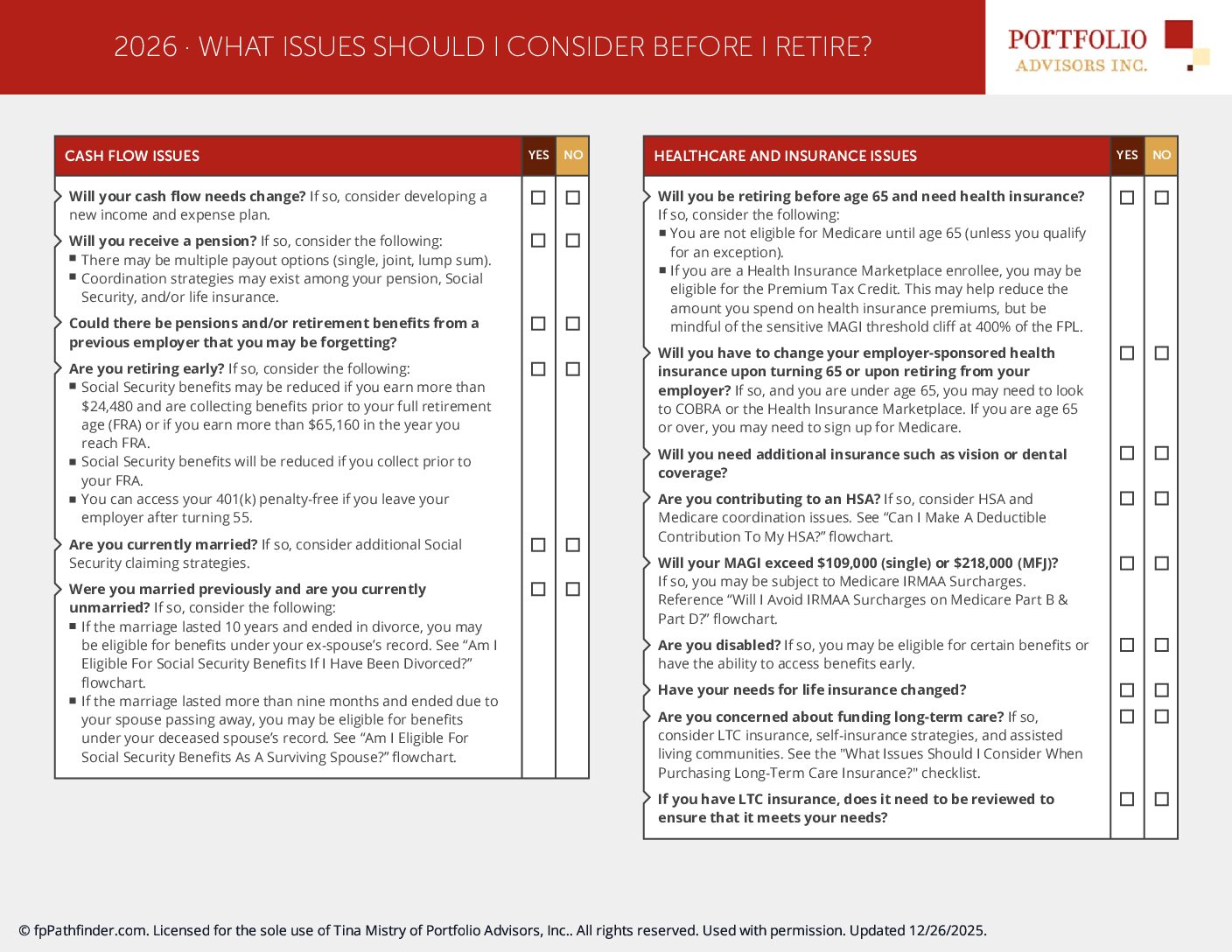



For a lot of people, retirement planning is a long game. You may start tucking away some savings in your 20s and 30s, then ramp up your savings and investment strategies as you get into your 40s and 50s. By the time you can start to see the light at the end of the employment tunnel; ideally, you’re just making minor adjustments to your strategy as you go.
The good news is that whenever you start, the process of retirement planning can benefit you. You’ll likely need to prepare for rising healthcare costs, especially if you live a long time after retirement. You may also need to plan for periods of income uncertainty or market volatility. With this guide, you’ll understand the main steps of the retirement planning process.
What Retirement Planning Really Means
When you think about retirement planning, you should know that it encompasses more than just saving money. Increasing your savings to supply your financial needs once you stop or scale back working is a key aspect, but you’ll have other issues to consider. A solid retirement plan has answers for these and other questions:
How do you plan to live in retirement?
What are your income goals and needs in retirement?
Which risks do you face in your retirement plan, and how can you manage them?
What is your tax strategy?
How do you want to approach your legacy?
Although you may already have ideas in mind for how you would tackle these topics, it’s important to make a documented plan. Documentation and details make it easier for you to evaluate the performance of your plan and identify concerns to address over time.
Step 1: Define Your Retirement Goals and Vision
Before you start getting into the specifics, you may want to begin by imagining yourself in retirement and setting some top-level goals. Once you have a vision in mind, start answering these questions:
At what age do you hope to retire?
What kind of lifestyle do you want to uphold during retirement?
Where do you want to live?
Will you need or want to continue to work part-time? If so, how do you imagine it working out?
What types of activities would you do in retirement?
It’s likely that your goals and vision will change as you start developing a plan. But at first, definitely give yourself room to dream about travel plans, quality time with the grandchildren, or hobbies you never had time for before. These are the rewards that you can work toward, measuring your achievements as you go.
Step 2: Assess Your Current Financial Position
In order to have an effective plan for retirement, you should establish a clear financial baseline. You won’t know how much you can save, or how to manage your existing assets, if you don’t know what you have. Start with a listing of your income, from regular wages, side jobs, investments, and passive income. Then, write out all your liabilities, from mortgage and other loans to your grocery and utility expenses. If you have assets that aren’t providing regular income, like your primary home, list those too.
With the basics covered, you can really get into the weeds about your finances. Document earnings rates on your existing retirement accounts, as well as yield rates on your savings and CDs. Get copies of your insurance policies, from homeowners and auto to life insurance, with details on the type of coverage and how it protects you.
Step 3: Estimate Retirement Expenses and Income Needs
Many people worry that they won’t have enough money to support them in retirement. That’s why it’s important to estimate what you’ll need for income to cover expenses. You may have read that you’ll need at least 70-80% of your pre-retirement income once you retire, but that assumption only holds if you’re close to retirement. When you’re more than 10 years out, you may need 100% or even more of your current income to cover expenses, mainly on account of inflation.
To get a better detail, outline your anticipated expenses. Organize the list into fixed costs that you can’t avoid, like utilities and discretionary spending such as travel. Presume that your out-of-pocket healthcare spending will be double or more in retirement, given the increase in costs as you get older. Be sure to account for taxes and inflation at 2-3% per year.
Step 4: Understand Risk Tolerance and Time Horizon
Any decision that you make about your retirement plans should involve some discussion of risk. You’ll hear phrases like “risk tolerance” and “risk capacity,” and it’s important to understand the difference. Risk tolerance describes the level of risk you’re comfortable handling, and risk capacity involves your retirement plan’s ability to absorb risk when something negative happens. It’s common to make individual decisions about risk for your investments, income, and insurance, based on your age and the timing of your plans for it.
The goal of these evaluations to identify a strategy that helps you build a retirement fund that doesn’t make you feel like you’re on a roller-coaster, even if you have to deal with market volatility or other unpredictable situations. Be honest about your feelings, and feel free to update your risk tolerance as you get older.
Step 5: Identify Income Gaps and Planning Challenges
Since income is such an important part of retirement planning, you should evaluate income gaps and other challenges to your goals. Retirees face a variety of possible issues:
Insufficient savings to handle regular expenses, even after counting the Social Security retirement benefit
Market risk that can affect the short-term and even long-term value of investments
The possibility of living much longer than anticipated
For many people, planning ahead for even a small part-time income can help to smooth out the potential sting of these obstacles.
To really know what you can expect based on certain decisions and situations, you’ll need to look at different scenarios. Just like you would compare loan options before buying a home, you can look at retirement scenarios based on different income, withdrawal strategies, or expenses. Scenario planning helps you to determine what you’ll need to do now to live comfortably in retirement.
Step 6: Develop an Investment Strategy
With some detail of your ideal retirement scenario, you can build an investment strategy that will help you achieve your savings goals. In any strategy for investments, you may need to look at the way your investments are divided among asset classes, typically stocks, bonds, and cash. You should also evaluate the diversity of your investments, by differentiators like asset class or industry. Keeping your eggs in more than one basket can help you spread out risk.
Once you have a balanced portfolio, the goal is to keep it balanced based on your preferred asset allocation, risk tolerance, and time horizons. You may need to rebalance on occasion, but it’s important to keep your eyes on the prize. Long-term discipline is often better at giving you the desired results than making snap decisions about the short-term movements of the market.
Step 7: Plan for Healthcare and Long-Term Care Costs
Although many of your costs will remain similar in retirement or even go down a little, you should presume an increase in expenses for healthcare and long-term care. Medicare is a type of government-sponsored healthcare, but you’ll probably still have premiums and out-of-pocket costs to plan for. You may also need to pay for supplemental coverage, like prescription benefits. Before you opt into Medicare, be sure to compare other options first, especially if you are still eligible for coverage through an employer.
You should also consider your long-term care needs. People live longer than they used to, which means you may need professional assistance, even if you choose to stay in your current home. Planning ahead can help you anticipate these expenses and maximize opportunities like long-term care insurance, which provides some coverage for costs that aren’t covered by Medicare.
Step 8: Tax Planning and Withdrawal Strategies
Just as you do now, you’ll need to think about how your retirement plan affects your taxes. Many retirement funds offer tax advantages. For example, if you set up a 401(k) or a traditional individual retirement account, you may able to set aside a certain portion of your income into the fund without having to pay income tax on it first. A Roth IRA doesn’t let you deduct contributions from your taxes now but lets you withdraw tax-free after you meet certain conditions.
Once you reach retirement age, you’ll want to target withdrawals to help you manage your tax liability. For example, you might choose to take more withdrawals from a 401(k) or non-retirement investment in years you have lower income and save Roth IRA withdrawals for unexpected expenses or higher-tax years. Just remember that once you reach 73, you may be required to take minimum distributions from certain tax-advantaged retirement accounts.
Step 9: Estate Planning and Legacy Goals
Ideally, your retirement plan works seamlessly with your estate planning and legacy goals. you should address these factors:
Wills: The basics of what happens to your estate
Trusts: A formal arrangement that puts your estate plan under the care of a trustee
Beneficiaries: The people who directly inherit something from your estate
Power of Attorney: People who can make decisions about your money and health if you cannot
As you detail what you want to happen to your estate, think about your legacy and how it all fits together. For example, if you want to create a college fund for each of the grandkids, you’ll need to specify that as part of your estate plan.
Step 10: Monitor, Review, and Adjust the Plan
Once you have a retirement plan in place, even if every aspect here is covered, you’ll still need to check on it occasionally and adjust. The goal isn’t to overhaul the plan every year or two, rather you should make sure that your plan still works with your life and financial situation.
You may need to adjust your plan to:
Update beneficiaries as your life and family dynamic changes
Rebalance or change your risk tolerance due to market conditions
Correct the trajectory for tax law updates
Adapt to different life goals
You shouldn’t need to make a ton of changes, but it helps to be resilient in new circumstances.
How Portfolio Advisors Helps Guide the Process
Although you can do a number of these steps on your own, it makes a big difference to work with an advisor. Retirement planning advisors, like those at Portfolio Advisors, can assist you in clarifying a plan that will work for your current financial situation and retirement goals. An advisor can help ensure you make informed decisions and maintain discipline in your financial planning, with greater accountability for the way that your portfolio is managed.
Ideally, the advisor you choose will be one that you keep for many years. Portfolio Advisors aims to be a long-term partner in the retirement planning process, so you can continue to rely on our expertise into retirement and beyond.
Next Steps
Developing a retirement plan that will meet your needs can seem overwhelming, but it doesn’t have to be terrifying. Creating a structured retirement plan can help you outline what you have going for you and what you need to work on to get the ideal retirement for you. By addressing each of these steps, you can work toward a retirement savings that covers your expenses and lets you enjoy more of the little things in life. Of course, you can benefit greatly from an expert in your corner as you plan. Contact us to schedule a consultation or start a personalized plan with Portfolio Advisors.
Disclosures: This material is for informational purposes only and should not be considered investment advice. Past performance is no guarantee of future results. Investing involves risk, including the potential loss of principal.