



For most of your working life, investing has one primary purpose: growth. You contribute to a 401(k), IRA, brokerage account, or pension plan and give those dollars time to compound. Market declines can be uncomfortable, but if retirement is still years away, you usually have time to recover. Your paycheck is covering the bills, so the portfolio can stay invested and continue doing its job.
Retirement changes that equation. Once work income slows or stops, the portfolio may need to start doing something it has never been asked to do before: help fund your lifestyle. That sounds obvious, but it can have a surprisingly large impact on how a retirement portfolio should be structured and managed.
Withdrawals Change the Math
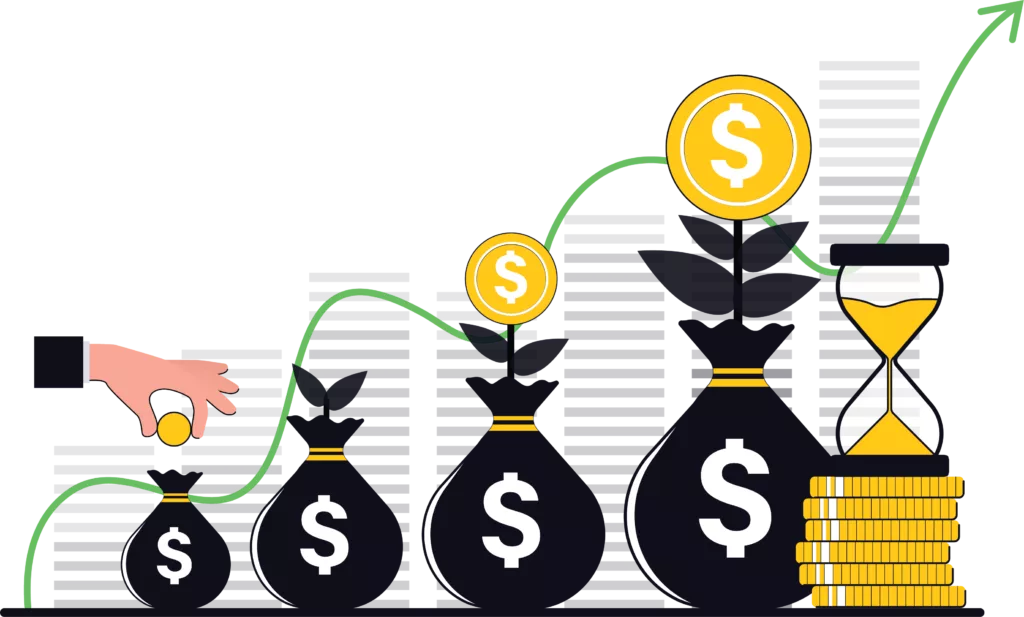
When you’re still saving, a market decline can actually create an opportunity. Your ongoing contributions are buying investments at lower prices. Once you begin taking money out, however, the timing of returns starts to matter more.
Imagine two retirees with similar portfolios and similar long-term investment returns. One experiences a strong market during the first few years of retirement. The other encounters a significant downturn right away while also making regular withdrawals. Even if their average returns eventually look similar, their outcomes may be very different. This is often referred to as sequence-of-returns risk. The basic idea is simple: losses early in retirement can be more damaging because withdrawals may require you to sell investments while values are down, leaving fewer assets in place to participate in a future recovery.
We find this concept is easier to understand once people realize that retirement investing is no longer happening in a vacuum. The portfolio is now interacting with real spending needs.
Cash Starts to Serve a Purpose

That is one reason retirees often think differently about cash. During your working years, holding too much cash can create its own problem because money sitting on the sidelines may not keep pace with inflation over long periods. In retirement, having an appropriate amount of cash available can provide flexibility. If the market is having a difficult year, a retiree with sufficient reserves may be able to cover near-term spending without immediately selling long-term investments. How much cash is appropriate depends on the household, the reliability of other income sources, and the overall plan. There is no universal number. Still, the broader point is worth understanding: liquidity can become a planning tool once you are relying on your assets for income.
Diversification Still Has a Job to Do

Strong markets can make diversification feel unnecessary. When a particular sector, company, or investment theme has performed especially well, it is natural to wonder why you would own anything else. We hear versions of that question fairly often.
Retirement is usually not the time to discover that too much of your financial security depended on one part of the market continuing to outperform. A diversified portfolio will almost always contain something that feels disappointing compared with whatever is currently leading the market. That can be frustrating, but it is also part of the design. Different investments tend to respond differently to changes in interest rates, economic growth, inflation, and market sentiment. Holding a mix of assets can help reduce the reliance on any single outcome. The goal is not to eliminate volatility. That simply isn’t realistic. The goal is to build a portfolio that can support the plan through a range of market environments.
The Withdrawal Strategy Matters Too

Where retirement income comes from can matter nearly as much as how the portfolio is invested. A retiree may have a traditional IRA, Roth IRA, taxable investment account, pension income, Social Security, or cash savings. Each source can have different tax consequences.
That creates choices. Should withdrawals come from the IRA first? Should some taxable investments be sold instead? Does a Roth conversion make sense during a lower-income year? Would delaying Social Security create more flexibility elsewhere? There is rarely one withdrawal order that works for everyone.
This is where retirement planning starts to become very personal. The best approach often depends on taxes, spending needs, estate goals, market conditions, and what other income is available.
A Portfolio Should Reflect the Life It Is Funding

Retirement can last decades, so growth still matters. Inflation does not disappear when you stop working. At the same time, someone who plans to begin drawing from a portfolio next year may reasonably think about risk differently than someone who is 25 years away from using the money. That shift does not necessarily mean becoming dramatically more conservative the day you retire. In fact, taking too little investment risk can create problems of its own over a long retirement.
It does mean asking a different set of questions. How much will you need from the portfolio each year? What happens if markets fall early in retirement? Which expenses are flexible? How much dependable income will come from Social Security or pensions? Are there enough liquid resources available to avoid selling investments at an especially bad time? Those questions help determine what the portfolio needs to do for you.
If retirement is approaching, it may be worth reviewing whether the investment strategy that helped you build your savings is also suited for the years when you begin using them.
At Portfolio Advisors, we help clients think through how investments, retirement income, taxes, and cash reserves fit together. If you would like to see how these issues may affect your own retirement plan, we would be glad to start the conversation.
Disclosures: This material is for informational purposes only and should not be considered investment advice. Past performance is no guarantee of future results. Investing involves risk, including the potential loss of principal.